 |
CCCESD/CDDGC
Council of Chairs of Canadian Earth Science Departments
|
 |
|
|
CCCESD/CDDGC
Council of Chairs of Canadian Earth Science Departments
|
|
This page reports the survey of Canadian Earth Science departments from the calendar year 2011. In total, 35 schools responded for some part of this time frame. No data were received from Brandon or UQaM, and for them data from the last year of reporting were carried forward. The University of Guelph indicated that it no longer offered any Geology courses and has withdrawn from CCCESD. Two additional schools have been added in BC: Thompson Rivers University and Vancouver Island University, although only TRU has provided data this year. Full details of the response rate can be found on the page listing responses.
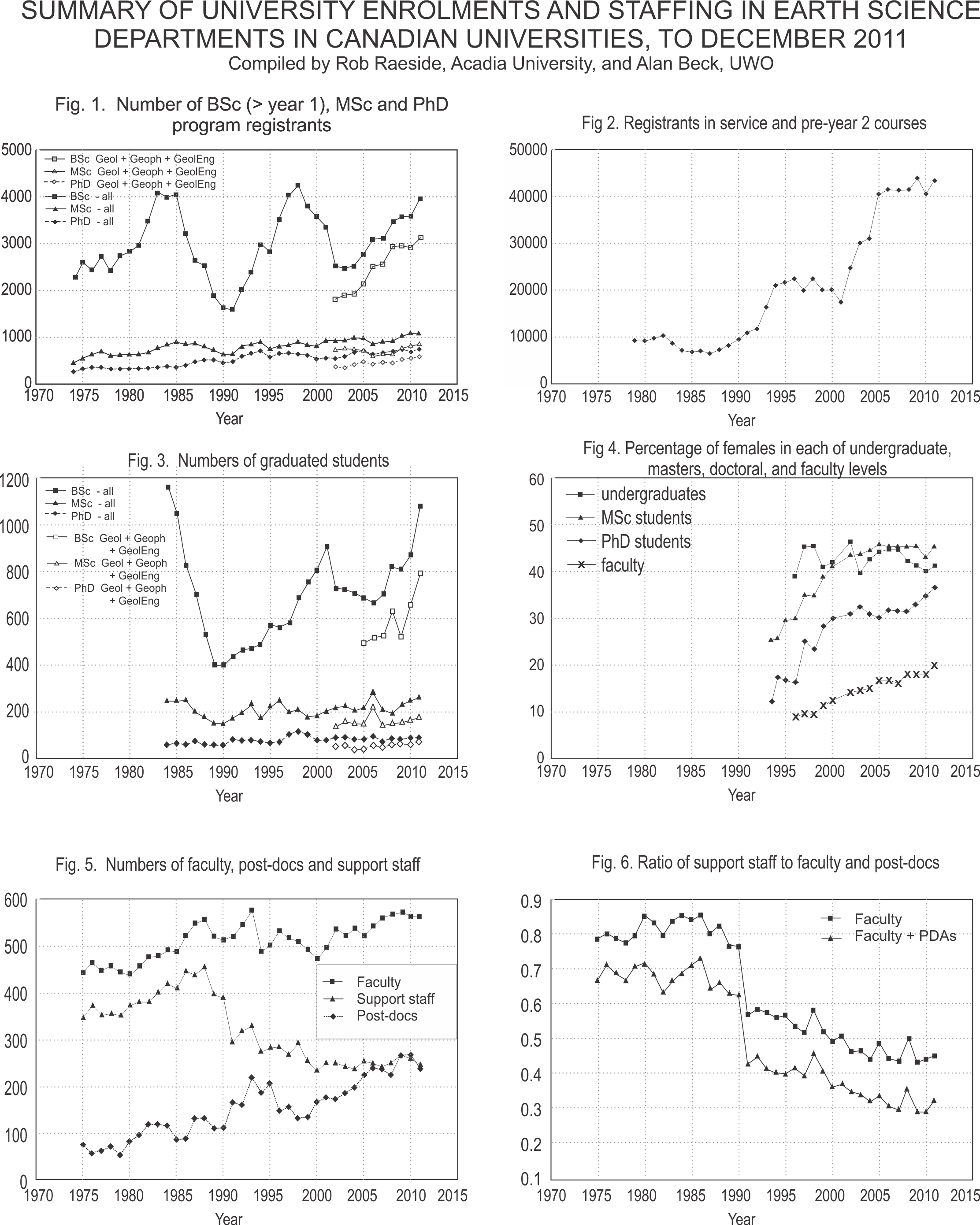
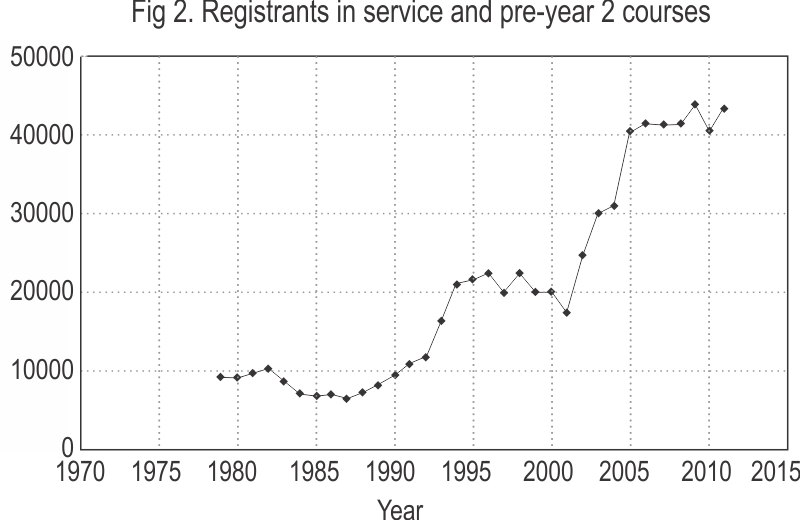
Figure 1 shows total undergraduate and graduate student enrolment. The steady rise in undergraduate program registrations from 2003 continues, with a 37% increase in the past decade. The Geology+Geophysics subset likewise continues to increase with over 2700 students now enrolled. Nationally, Canada has experienced an overall increase in undergraduate enrolments over the past 9 years, more than doubling the enrolments in Geology in Ontario and Western universities. Environmental Earth Science enrolments in are also stable over the past three years across Canada, and fairly even over the past 8 years except in the West where the number of students enrolled has tripled. The overall increase in enrolment from 2002-2011 is mirrored by the graduation numbers, now well over 1000 (Figure 3). This number should continue to increase substantially for the next two years.
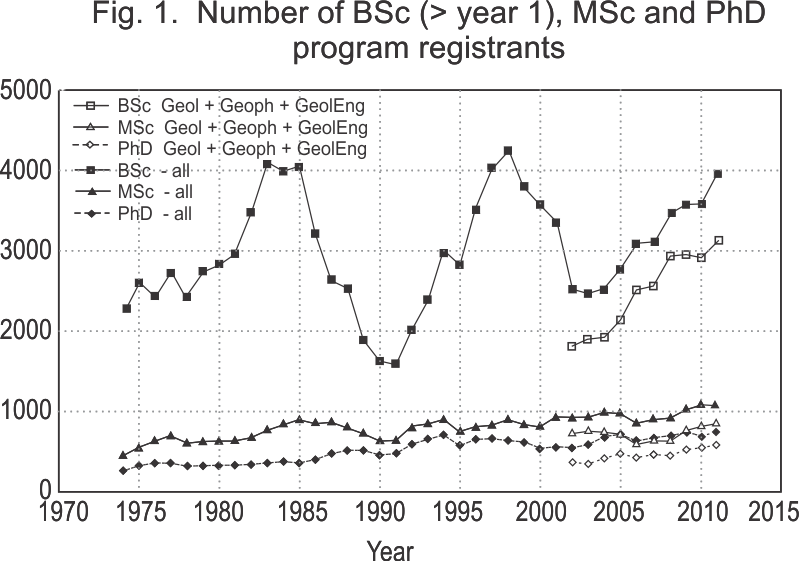
Numbers of first year and service course registrations, Figure 2, have remained fairly stable in the 40000-43000 range for 7 years now, with the decline associated with the elimination of Geology courses at Guelph causing a one-year dip in 2010. These numbers are again near historical highs.
The number of registrations for MSc graduate work (Figure 1) continues above 1000 for the third year in a row, although the 18% increas in the past two years appears to have leveled off. The number of PhD registrations is holding steady at around 800.
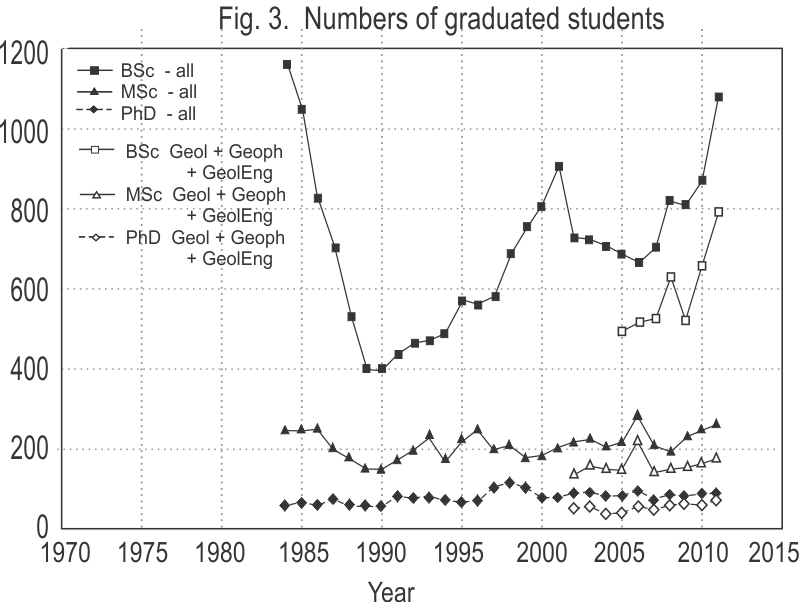
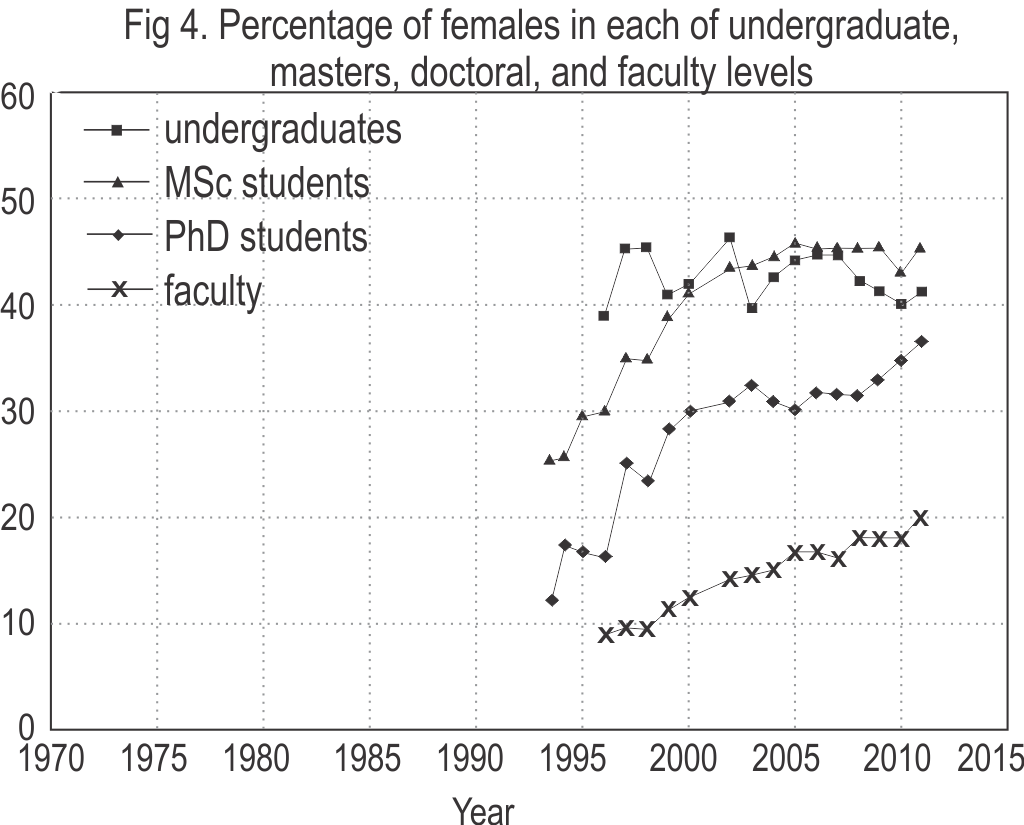
Figure 4 presents an analysis of the gender distributions over the past 15 years for undergraduate, masters and doctoral level graduate students and faculty cohorts. Women comprise approximately 45% of the MSc level, and 41% of BSc program registrants. At the PhD level, the fraction of women continues to rise, now at 37% and likewise in faculty positions, at 20%.
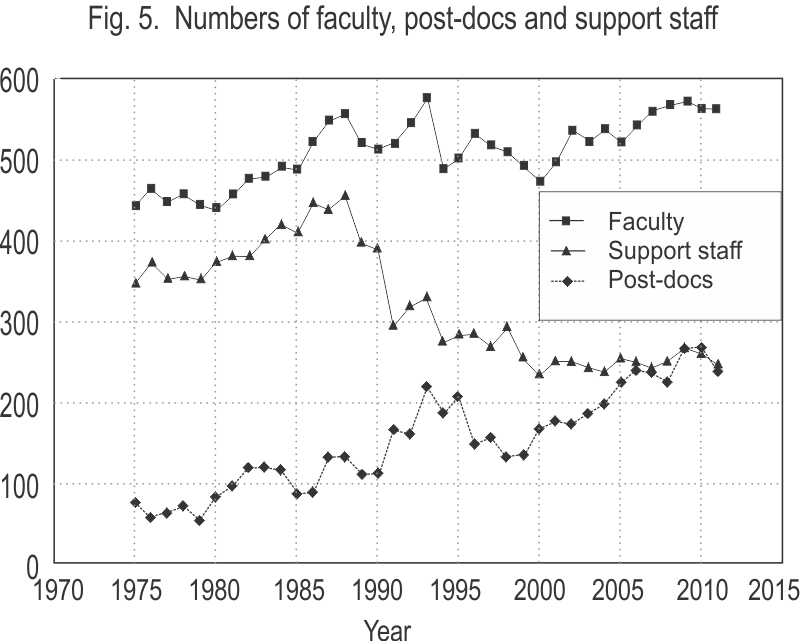
Numbers of faculty, Post-Doctoral Associates/Fellows, and support staff are shown on Figure 5
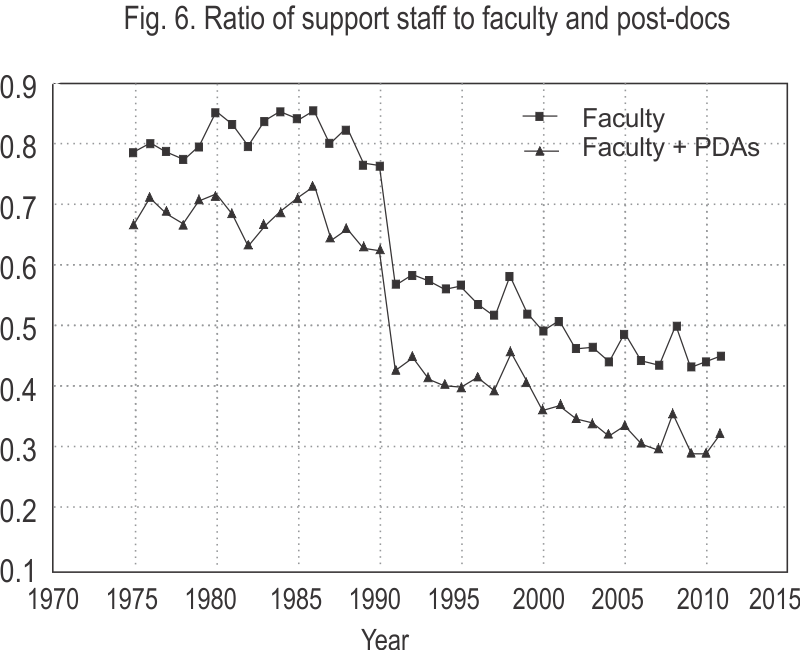
and Figure 6. Faculty numbers are holding
steady after the slight decline associated with the removal of University of Guelph from the
dataset. Faculty
numbers have climbed 20% since 2000, likely primarily the result of CRC appointments. The steady decline of support staff
from 1988 to 2000 appears to have leveled off, although numbers have dropped
slightly in the past two years. The ratio
of support staff to faculty has continued in the steady decade-long decline mainly as
a result of the continuing decrease in support staff in Ontario and the West. The number of post-doctoral assistants,
has dropped back after a two-year peak, but is still more than double that of 10
years ago.
Regional analysis by year: